Building teams that thrive takes intentional effort
By John MacFarland
In the painting industry, business owners spend enormous amounts of time thinking about estimates, production schedules, hiring, marketing, and cash flow. Most of our attention goes toward keeping the next job moving and making sure the schedule doesn’t fall apart.
Culture rarely makes the top of that list.
It’s something many contractors assume will develop naturally as the company grows while they focus on the “real work” of running the business. But culture doesn’t happen by accident. It’s shaped by leadership decisions, reinforced through daily habits, and ultimately determines whether a company thrives or struggles.
The truth is that every company has a culture whether the owner designs it or not. The only question is whether it’s intentional.
Around 2014 or 2015 I hit a wall in my own business. The company was growing, but I was miserable. I was doing everything—hiring, scheduling, training, solving jobsite problems, answering customer questions at night—and if something went wrong, it landed on my desk.
If you’ve been there, you know the feeling. You’re technically running a company, but the company is actually running you.
It didn’t take long to realize that the issue wasn’t just systems or processes. The real issue was culture. The business revolved around me because I hadn’t built an environment where the team could make decisions, solve problems, and take ownership of their work. Once we started focusing on culture intentionally, the business began to change.
Hiring for Culture, Not Just Skill
One of the biggest hiring mistakes contractors make is prioritizing skill over character and team fit. Technical ability is important, but it’s rarely the thing that determines whether someone becomes a great long-term employee.
Every contractor has hired a “Bob.” Bob can paint circles around everyone else. He’s fast, he knows every trick in the book, and he can finish jobs quickly. But Bob is also late half the time, complains constantly, and runs off younger workers because he has no interest in teaching anyone what he knows. Over time, Bob becomes the most expensive employee on the payroll—not because of his wages, but because of the damage he does to the team.
Now compare that with someone like “Mike.” Mike might be 20 years old and barely know the difference between a brush and a roller, but he shows up on time, wants to learn, and works well with others. Give Mike a year with the right training and mentorship and he can become a solid painter, but more importantly, a rockstar employee. The skills can be taught. The attitude usually can’t.
When contractors prioritize cultural fit during hiring, the entire dynamic of the company begins to change. Teams become more collaborative, experienced workers start mentoring new hires, and turnover drops dramatically. Over time you build a workforce of people who want to work together instead of competing against one another.
Culture Reduces the Need for Micromanagement
Painting companies rely heavily on systems and SOPs, and for good reason: Consistency matters in our industry. But there’s a point where too many rules create an environment where employees stop thinking and simply wait for instructions.
Think about McDonald’s for a moment. You can get the exact same mediocre hamburger in Michigan, Texas, or Florida because employees follow a manual step by step. The system works because the process is completely standardized.
That approach doesn’t translate well to the trades. No two homes are identical. Customers change their minds. Materials behave differently depending on the environment. Unexpected problems appear on job sites every single day.
If your employees need a rulebook for every possible situation, they’ll spend most of their time waiting for direction. You need problem solvers—not robots.
A strong culture provides a different framework. Instead of relying on hundreds of detailed instructions, companies can establish guiding principles that help employees make decisions on their own. In our company, we encourage crews to ask two simple questions whenever something unexpected happens on a jobsite:
- Will this decision leave the customer satisfied?
- Does this decision help our team succeed?
If both answers are yes, we support the decision. When employees have clear principles to work from, they start solving problems instead of escalating them. Over time that dramatically reduces the number of daily interruptions that reach the owner’s desk.
Aligning Incentives With the Right Behavior
Culture is shaped not just by what leaders say, but by what they reward. If employees are paid strictly by the hour, efficiency often becomes an afterthought. But when compensation structures reward productivity and teamwork, behavior changes quickly.
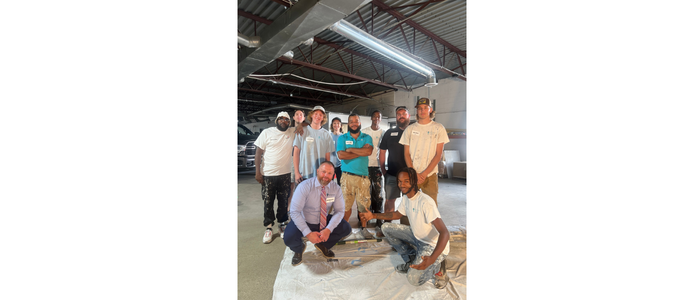
In our company, field crews earn production bonuses tied to job performance and square footage completed. When teams know that better preparation and coordination directly affect their paychecks, they start paying attention to the details. Vans get stocked properly the night before the job begins. Trips to the paint store decrease. Crews arrive at the jobsite ready to work instead of figuring things out as they go.
This also creates a natural form of team accountability. When someone consistently shows up late or unprepared, the crew notices quickly because it affects their bonus. At that point the issue stops being a management problem and becomes a team problem.
Policies rarely change behavior on their own. Incentives do. When employees see a direct connection between their decisions and their income, they begin acting more like owners than hourly workers.
When Culture Shows Up on the Jobsite
Sometimes the best way to understand culture is through real examples.
A few years ago one of our younger painters—Dan—was driving a nearly brand-new company truck on a commercial project. The truck had fewer than a thousand miles on it.
While maneuvering around a shipping container on the job site, he clipped it with the bumper and scratched the truck. Dan was 23 years old and absolutely panicked. In many companies that situation would have turned into a shouting match, a disciplinary write-up, or termination.
Instead something interesting happened. His teammates stepped in immediately and told him not to worry about it. They started looking for solutions and eventually found a replacement bumper online for a few hundred dollars. The crew decided they would split the cost among themselves rather than let Dan carry the burden alone.
Even after the bumper repair, the bonus pay for that week-long project was still north of $1,000 per team member. By the time the repair happened, management didn’t even know about the incident. In fact, it took nearly two months before we even heard the story.
That moment told me more about our company culture than any written policy ever could. Dan took responsibility. His teammates supported him. The problem was solved without anyone pointing fingers or trying to hide what happened.
That’s what culture looks like in the real world.
Small Actions Reinforce Culture
Culture isn’t built through speeches or mission statements hanging on the wall. It’s reinfor ced through small actions that happen every day.
Picture this: it’s 8 a.m. and a company truck pulls into a customer’s driveway right on time. The homeowner watching through the window immediately feels reassured. The company name on the truck matches the shirts, the team looks organized, and everything feels professional.
That moment didn’t happen by accident. It happened because the company built a culture around professionalism and accountability.
Small habits reinforce that culture. I’m a firm believer in “Work hard. Play hard.” (And the period between them is not by accident.) At our company, work communication stops after hours. Phones stop. Emails stop. Texts stop. The “need” for after-hours communication usually highlights dysfunction, poor processes, or both. Boundaries like that protect your team’s sanity and your own.
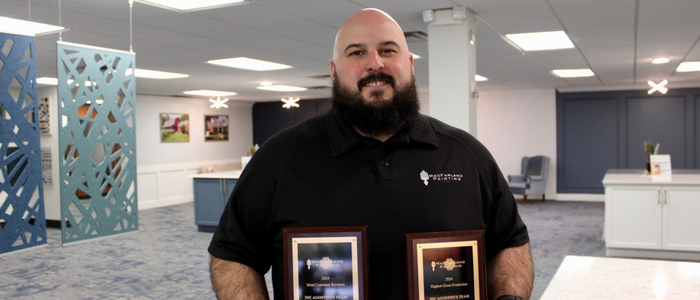
Recognition also plays a role. We hand out awards for most referrals, top production per hour, top gross production, top closing percentage, top gross sales, and others. Performance numbers are available to anyone in the company.
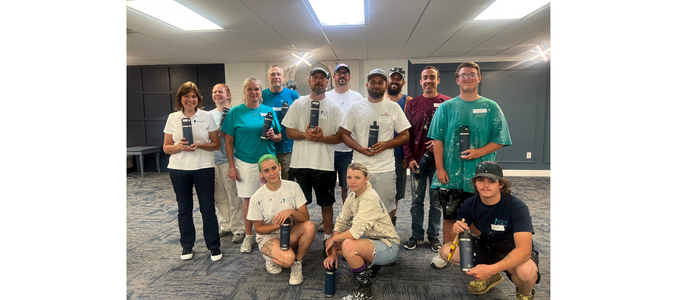
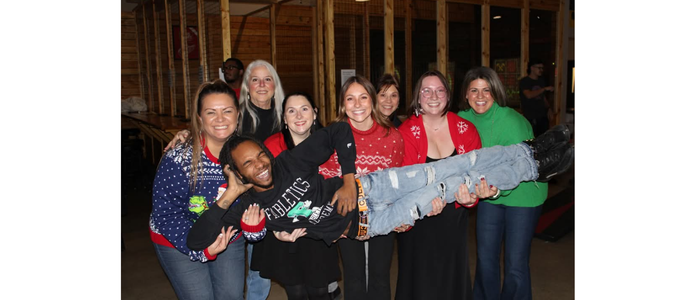
Monthly we cook breakfast for the crews before they head out to job sites. Nothing fancy—just eggs, pancakes, and what the guys jokingly call “contractor mimosas,” which is basically orange juice and a Red Bull. Leadership showing up and serving the team instead of the other way around sends a powerful message.
Culture Is Built by the Whole Team
Another lesson we learned is that culture can’t come entirely from the top down. If culture only exists because the owner talks about it, it won’t last very long.
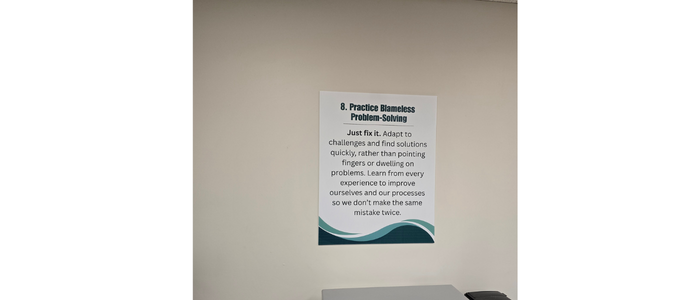
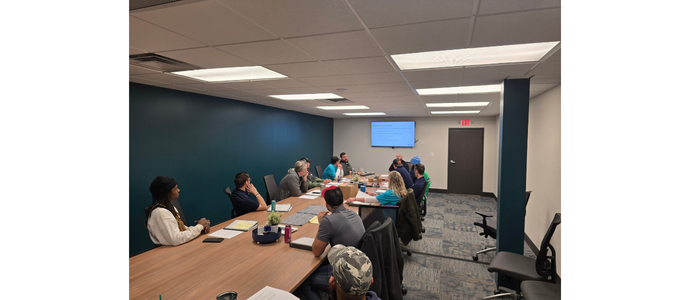
Our company created an internal culture team made up of people from different departments—field crews, office staff, and sales teams. They became the architects of our “12 Cultural Fundamentals”. Each month has an area of focus, and we rotate through them continuously. This group helps shape the principles that guide the company and reinforce them during meetings and training.
One of our favorite principles is simple: “Blameless problem solving.” In other words, don’t spend your energy explaining why something went wrong. Spend it figuring out how to fix it.
When ideas like this come from the team itself rather than being handed down by management, employees are far more likely to embrace them.
Culture Is an Investment
Building culture takes time and intentional effort. It requires thoughtful hiring, consistent leadership, and systems that reinforce the behaviors you want to see. But the return on that investment can be enormous.
Companies with strong cultures experience lower turnover, better teamwork, higher productivity, and stronger customer relationships. Owners spend less time putting out fires and more time focusing on growth.
Perhaps most importantly, work becomes more enjoyable. Painting is a demanding trade, and crews face plenty of challenges throughout the year. A strong culture creates an environment where people support each other, solve problems together, and take pride in the work they do.
The truth is that every company has a culture whether the owner designs it or not. The real question for contractors is simple: are you building it intentionally, or letting it happen by accident?
If you do it right, your team won’t just see you as their employer. You’ll be the person who helped them build a career, support their family, and take pride in their work.
In my opinion, that’s one of the most rewarding parts of running a company.
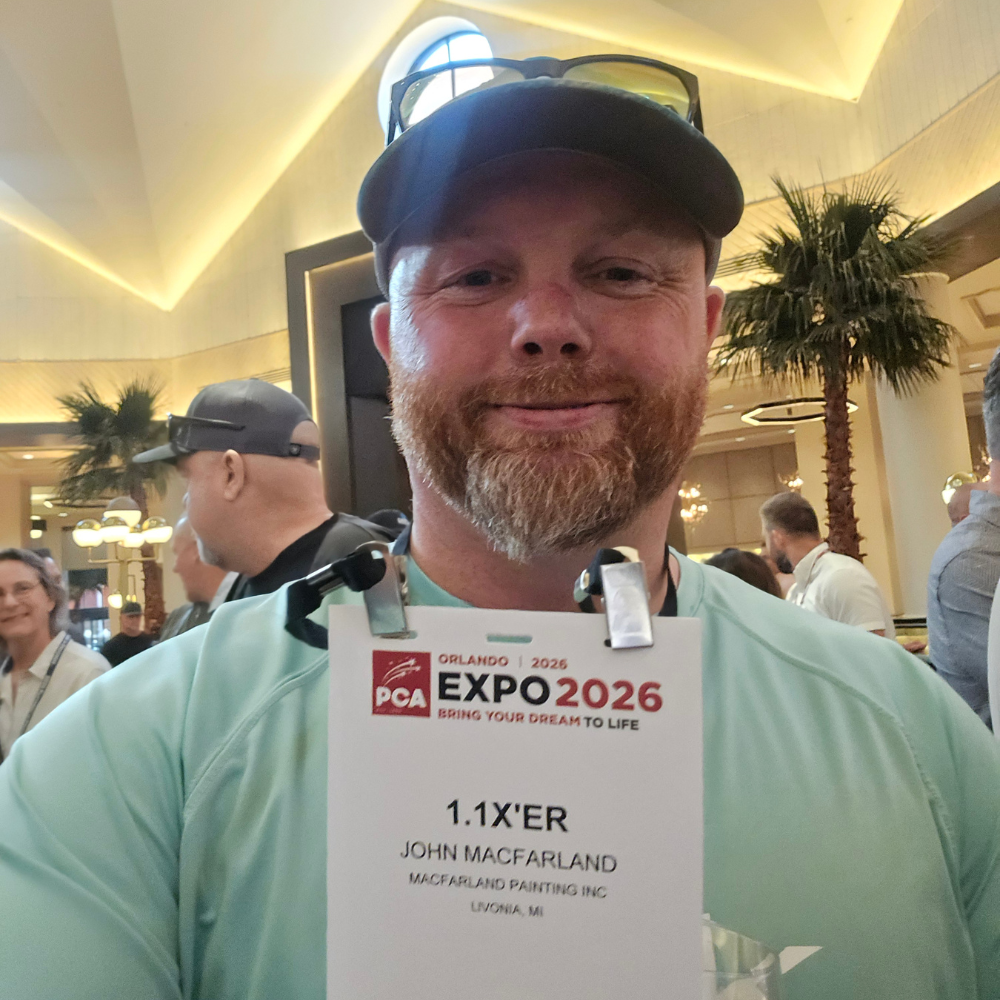
John MacFarland is the founder and president of MacFarland Painting, a residential and commercial painting company based out of Livonia, Michigan.